What Is a Bottle Preform? Anatomy, Dimensions and Manufacturing Stages
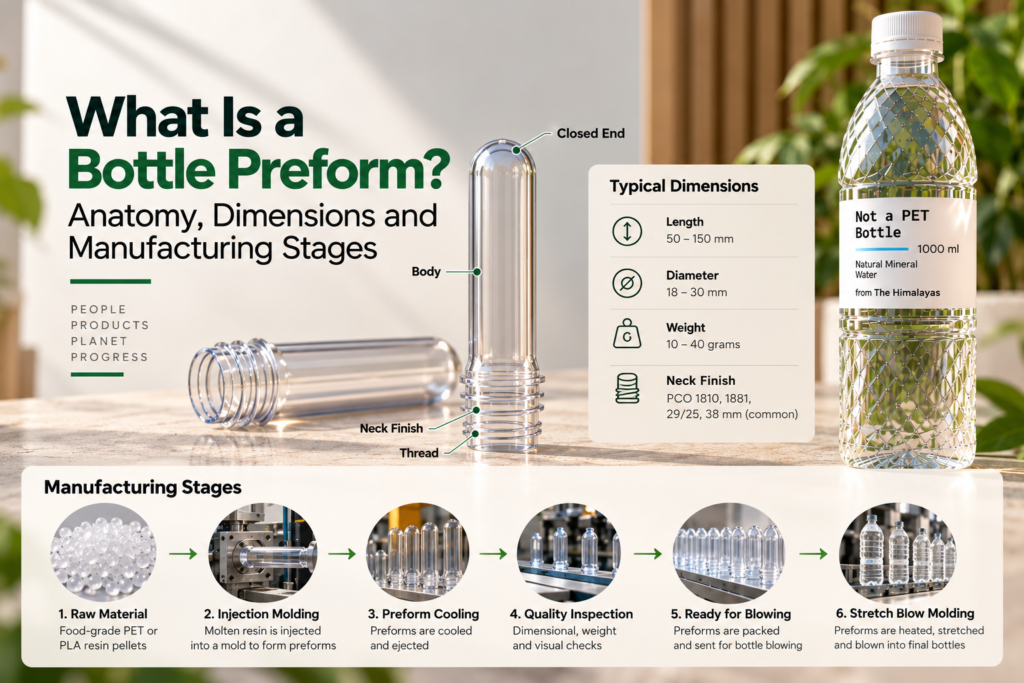
A bottle preform is a small, moulded component that is heated and shaped into a finished bottle. It resembles a test tube with a threaded neck and a thicker body. Preforms are commonly used in PET bottle manufacturing, where they are expanded into their final shape through a process called stretch blow moulding. Understanding bottle […]
Corporate Sustainability Reporting: How Packaging Choices Show Up in ESG
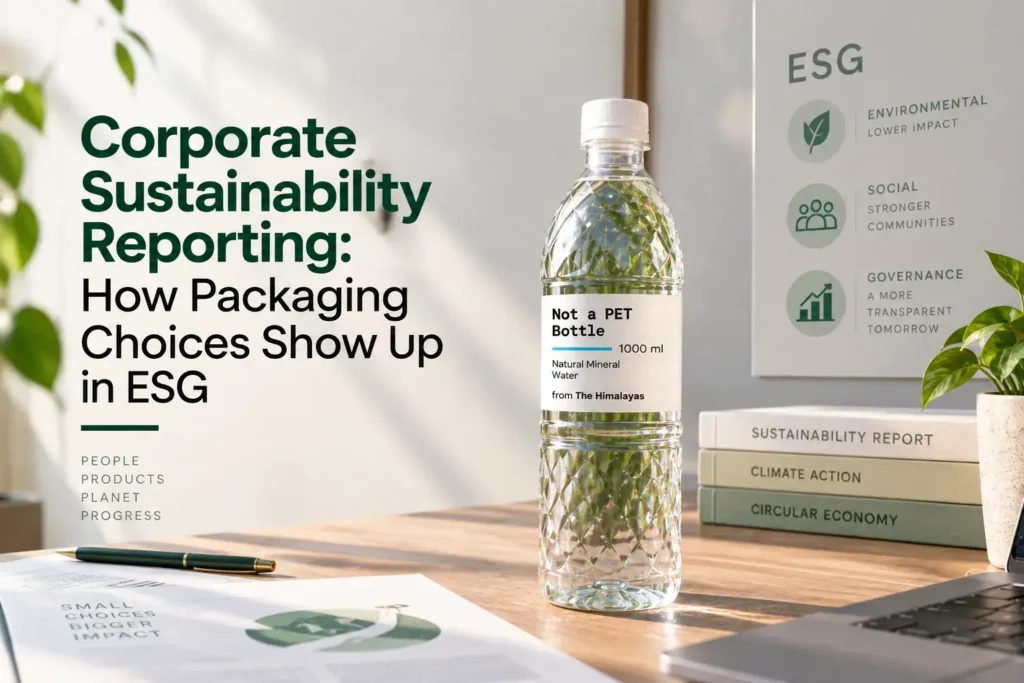
Corporate sustainability reporting increasingly requires businesses to explain what they are doing, why they are doing it and how those actions are measured. Packaging may seem like a small operational detail, but for businesses using large volumes of bottled water or other packaging, material choices can become part of the wider sustainability conversation. Why Does […]
How Verified Tree Planting Actually Works: From Contribution to Verification
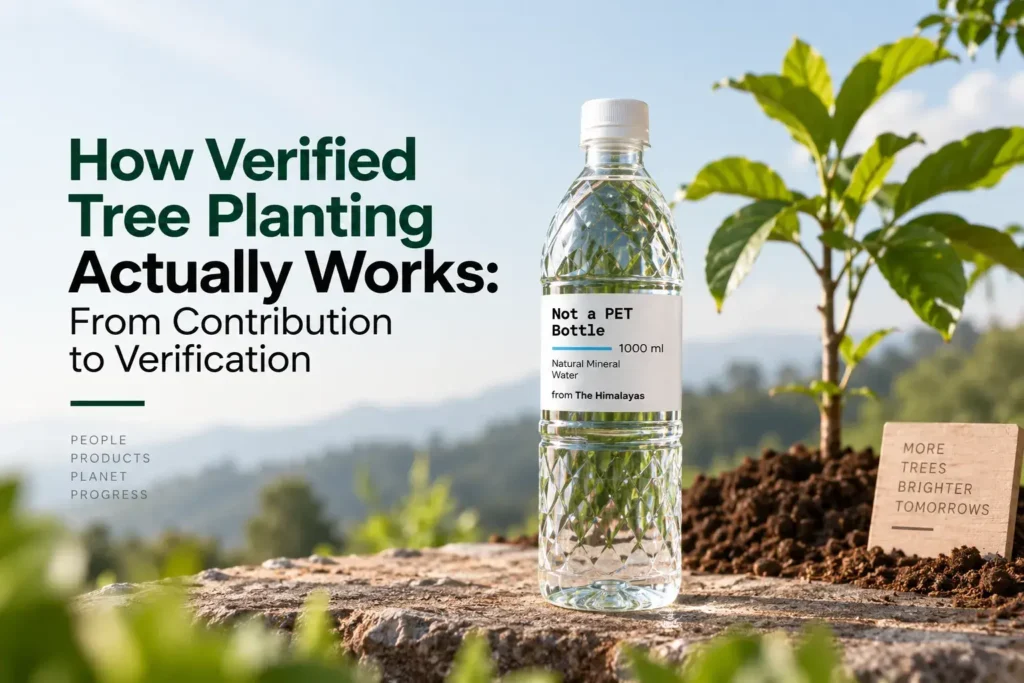
Tree planting is often used in sustainability campaigns, but simply saying “we planted trees” doesn’t tell you much. A more useful question is: How can a tree-planting contribution be tracked and verified? At Not A PET Bottle, the process is designed to provide visibility from contribution to verification. What Happens After a Tree-Planting Contribution? The […]
Sustainable Water for Wedding Season: A Vendor’s Checklist
Indian weddings can involve hundreds or even thousands of guests, making bottled water an important part of event planning. If you’re a wedding planner, venue, caterer or event vendor, choosing the right water packaging can help you balance presentation, practicality and sustainability. Here’s what to check before placing your order. What Should Wedding Vendors Check […]
Private Label Water in PLA Bottles: A Buyer’s Guide
Private-label bottled water allows businesses to offer water under their own brand name and packaging without setting up their own bottling operation. For businesses looking to move away from conventional PET packaging, PLA bottles can be considered as an alternative packaging option. But choosing private-label water involves more than putting your logo on a bottle. […]
PLA Emballage: What Does PLA Packaging Mean?
If you’ve come across the term “PLA emballage” while researching packaging in Europe, the meaning is straightforward. “Emballage” means packaging in French, so PLA emballage simply refers to PLA packaging. PLA stands for polylactic acid, a plant-derived polymer used in various packaging applications. What Is PLA Emballage? PLA emballage refers to packaging products made using […]
India’s Bottled Water Problem: By the Numbers
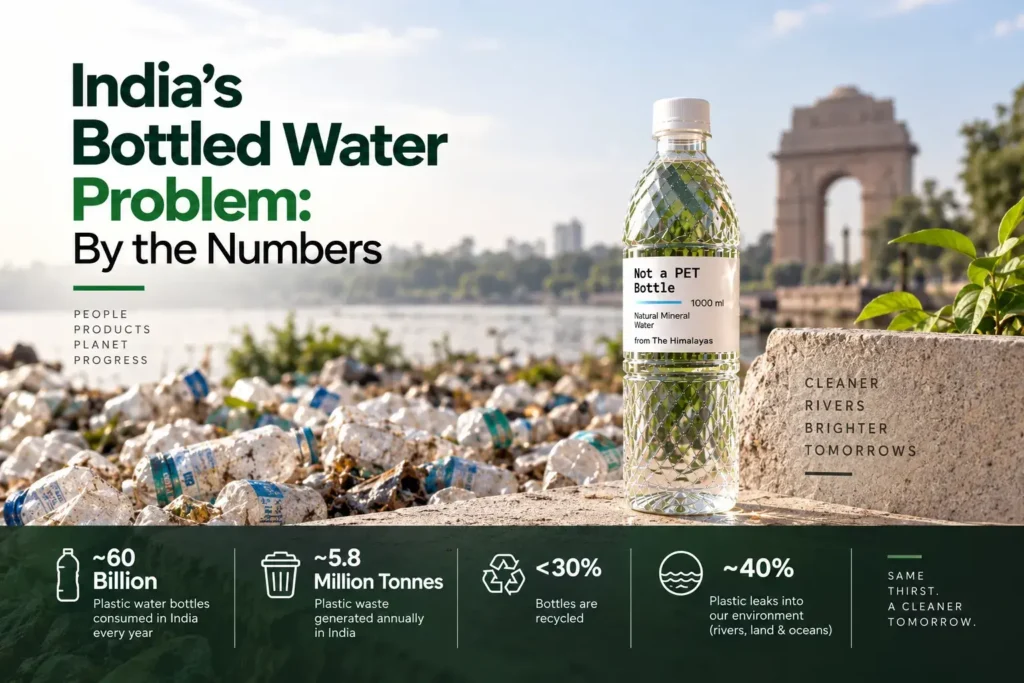
India’s bottled-water market is growing, but so is the conversation around single-use packaging, plastic waste and responsible consumption. For consumers, businesses and hospitality operators, bottled water is often a practical necessity. But when millions of bottles are produced, transported, used and discarded, the packaging itself becomes an important part of the environmental conversation. Understanding India’s […]
What Happens to a PLA Bottle After You Throw It Away?
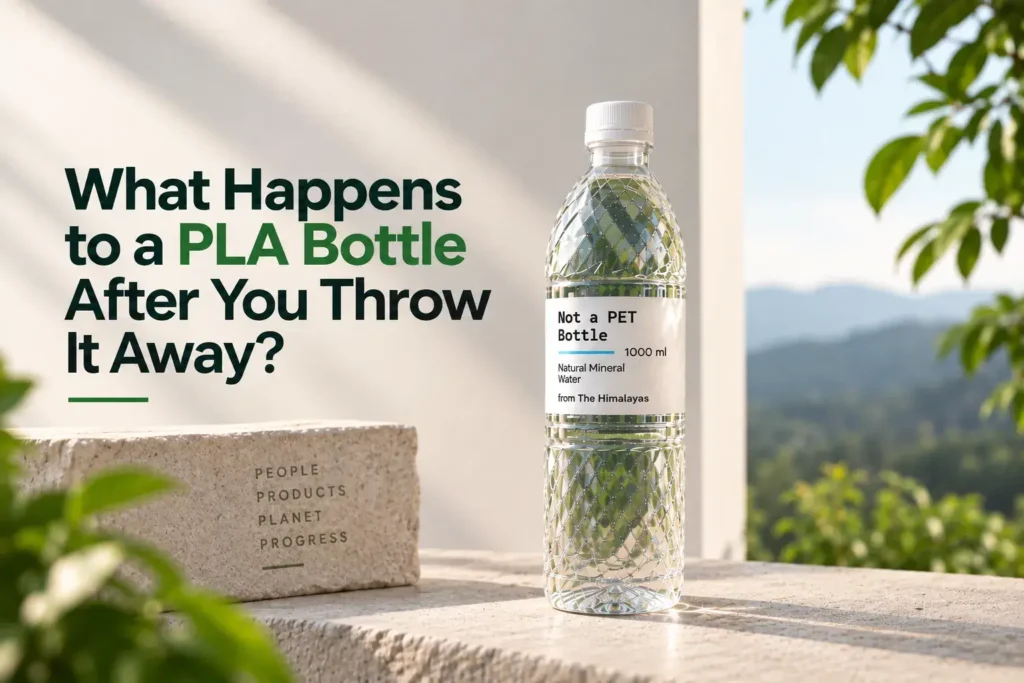
A PLA bottle may look similar to a conventional plastic bottle, but what happens to it after you finish the water can be very different depending on the material and disposal system. The important thing to understand is that throwing a PLA bottle into a bin does not automatically mean it will disappear. End of […]
NPB-PLA™ vs Standard PLA: What Makes Our Material Different?
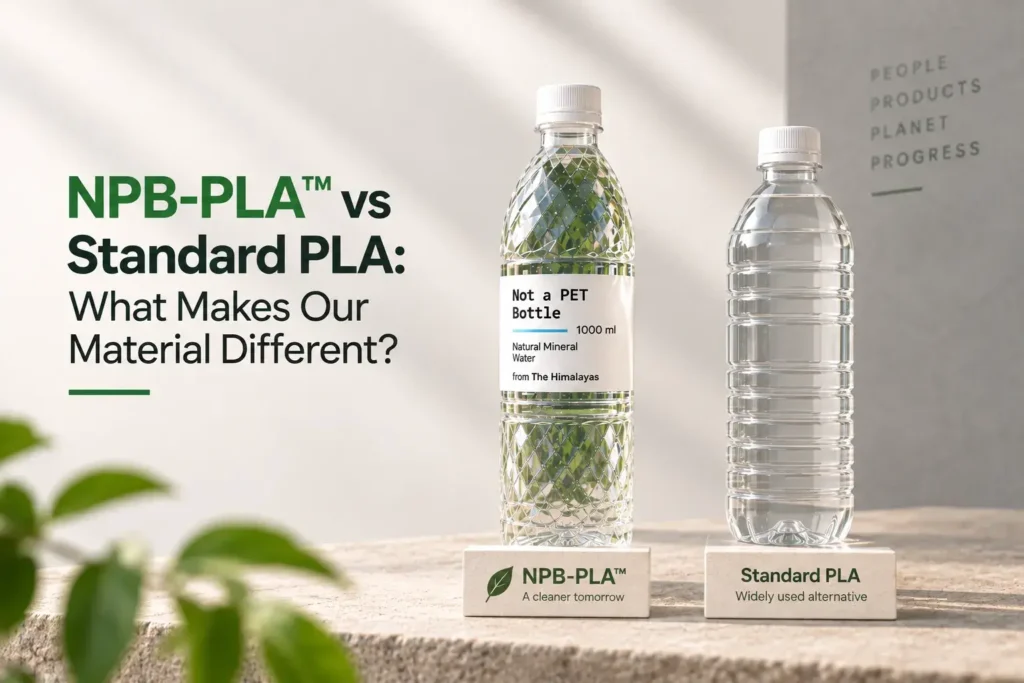
PLA is increasingly used as an alternative material for packaging, but not every PLA product is designed for the same application. Standard PLA is a broad material category. NPB-PLA™ is Not A PET Bottle’s bottle material, developed specifically around the requirements of bottled water packaging. So what is the difference? The answer isn’t simply that […]
PLA vs Recyclable Plastic: What’s Actually Better for the Planet?
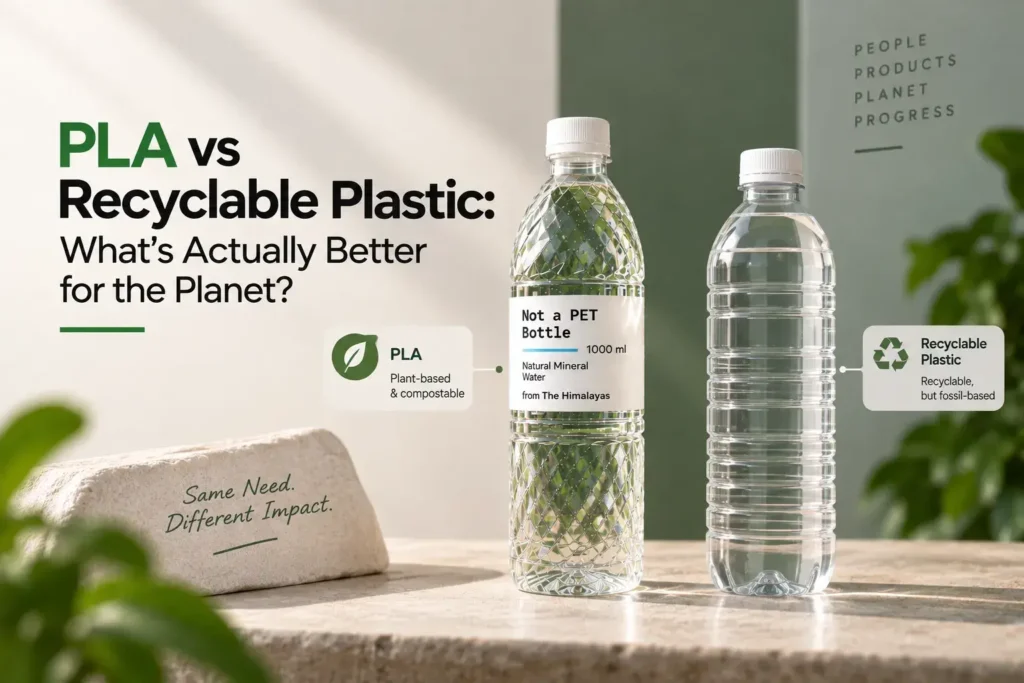
When businesses look for alternatives to conventional plastic packaging, two options often come up: plant-based PLA and recyclable plastic. At first, the choice may seem simple. One uses plant-derived feedstocks, while the other can be recycled. But sustainability isn’t determined by a single feature. To understand which option may be better for a particular application, […]